


Choosing the Right Small Business Consultant for Federal IT and Modernization
Learn how to effectively evaluate and select a small business consultant for federal IT modernization and digital enablement programs.
Dr. Tony D. Barber
November 7, 2026
Knowledge Hub
Learn how to effectively evaluate and select a small business consultant for federal IT modernization and digital enablement programs.

Learn how federal program managers can leverage structured operations consulting to streamline complex workflows and support IT modernization initiatives.

Discover how effective business consulting services bridge the gap between legacy IT processes and modern infrastructure, driving successful outcomes for federal and enterprise programs.
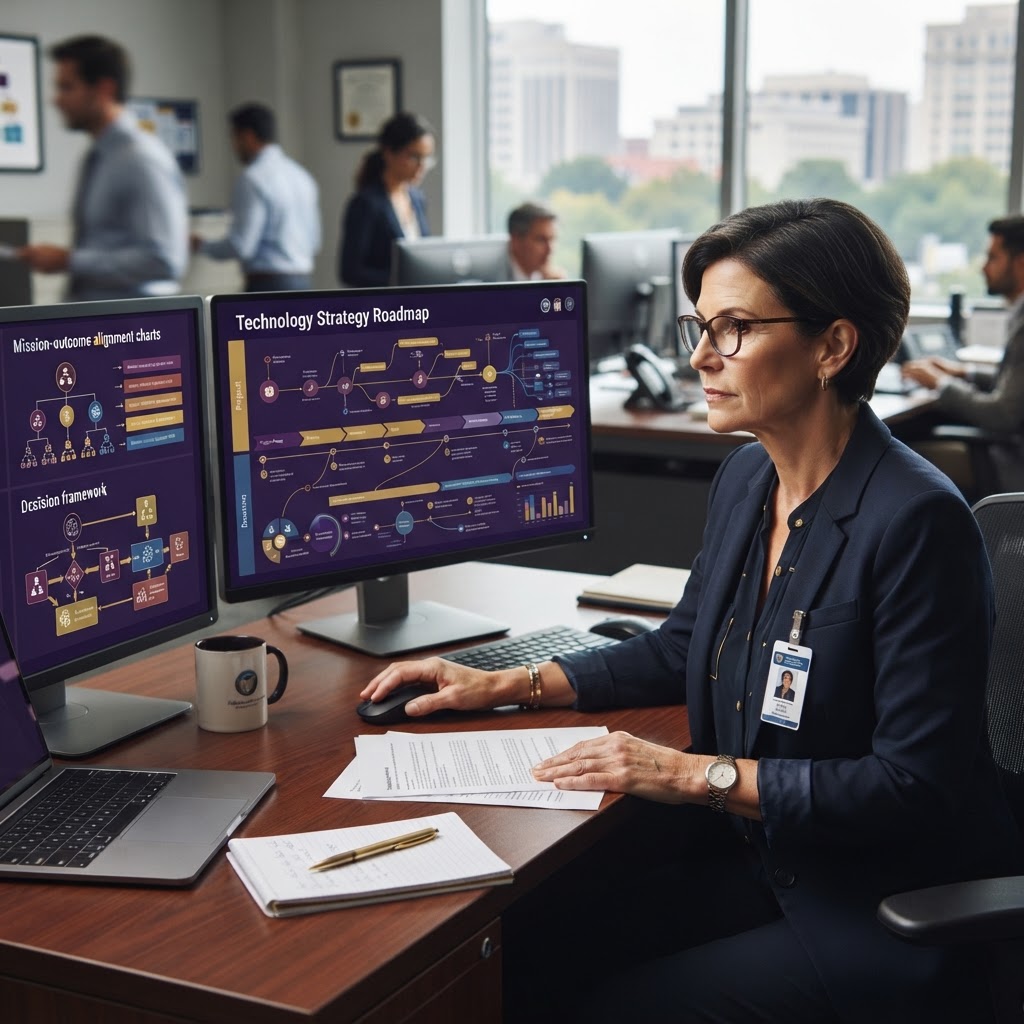
Federal program managers are increasingly expected to make consequential technology decisions without always having deep technical backgrounds. This framework cuts through the noise and offers a structured, honest approach to aligning technology investments with mission outcomes. No hype — just practical guidance grounded in how federal IT actually works.

Federal programs often invest heavily in technical execution while underbuilding the business operations infrastructure that keeps everything running. A poorly structured business ops function creates compliance gaps, budget surprises, and reporting failures that technical talent alone cannot fix. Here is how to build it right from the start.

Most government programs don't fail because of bad intentions — they fail because risk was managed on paper rather than in practice. The difference between frameworks that work and those that collect dust comes down to how well they're integrated into day-to-day program decisions. Here's what that actually looks like.

Most government contractors treat pricing as a compliance exercise rather than a strategic discipline. The result is proposals that win on technicality and lose on margin — or lose outright because the numbers don't tell a coherent story. Here's what experienced contractors do differently.
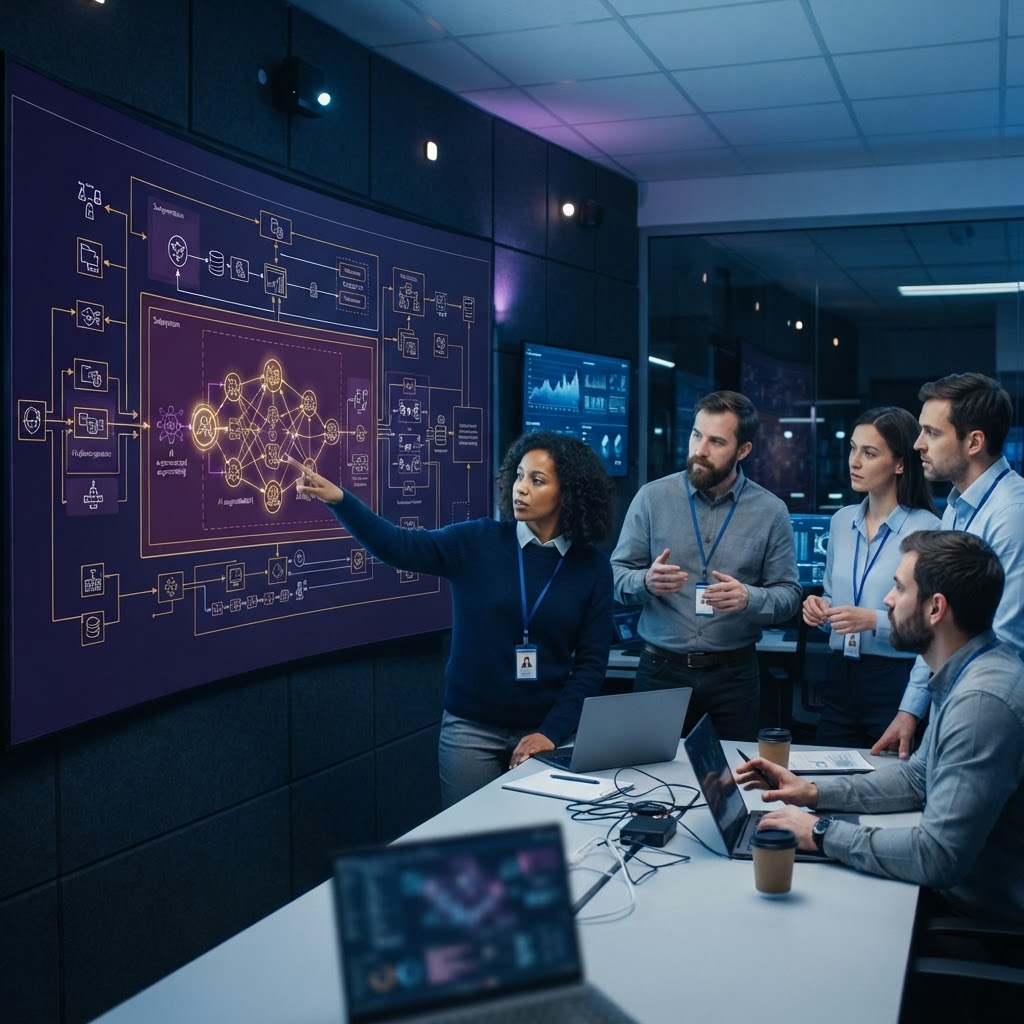
Model-Based Systems Engineering has long been the backbone of complex defense and federal systems development. Now AI is beginning to augment how those models are built, queried, and maintained — but the real story is more nuanced than the headlines suggest. Here's what practitioners need to understand.
Quantum computing is not an imminent operational reality for most federal agencies, but the cryptographic and strategic implications are real enough that planning needs to start today. Understanding what quantum can and cannot do — and on what timeline — is essential for making sound IT investment decisions. Here is what government IT leaders should actually know.

Model-Based Systems Engineering has long helped defense and enterprise teams manage complexity by keeping system definitions in structured, machine-readable models rather than disconnected documents. AI tools are now beginning to interact with those models in meaningful ways — but the value depends entirely on the quality of the underlying engineering discipline, not the AI itself.
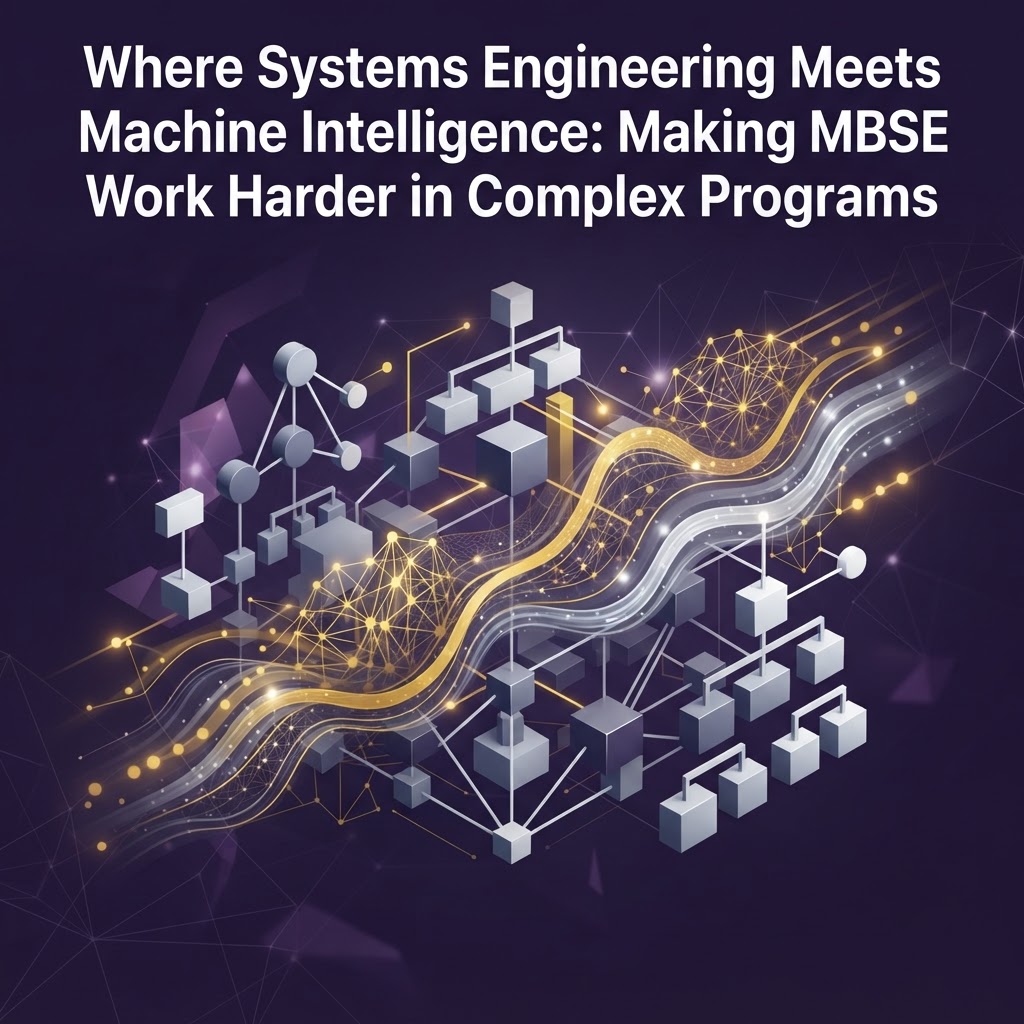
Model-Based Systems Engineering has long promised a single source of truth for complex programs — but that promise has been constrained by the sheer volume of data these models generate. Pairing MBSE with modern AI capabilities is starting to change that equation, particularly in defense and federal infrastructure programs where system interdependencies are too numerous for purely manual analysis. This post explores what that integration actually looks like in practice, and where the real value lies.

Most program failures are not technology failures — they are requirements failures, integration failures, and communication failures that compound over time. Model-Based Systems Engineering (MBSE) addresses these root causes early, when changes are still cheap. Here is what that actually looks like in practice.
We use cookies to enhance your browsing experience, serve personalized ads or content, and analyze our traffic. By clicking "Accept All", you consent to our use of cookies.